
Central Sleep Apnea (CSA) is more than just “trouble sleeping”; it’s a neurological breathing disorder that can quietly disrupt health, energy, and long-term well-being. If you’ve been waking up exhausted, gasping for air at night, or feeling unusually fatigued during the day, CSA may be the hidden cause.
In this guide, you’ll learn what Central Sleep Apnea is, why it happens, the symptoms to watch for, and how modern tools like a sleep apnea home test or even an AI facial scan can help identify risks early.
What Is Central Sleep Apnea (CSA)?
Central Sleep Apnea is a sleep disorder where your brain fails to send proper signals to the muscles that control breathing. Unlike Obstructive Sleep Apnea (OSA), where the airway becomes physically blocked, CSA is rooted in the central nervous system.
In simple terms:
The brain forgets to breathe for brief moments, leading to pauses in airflow throughout the night.
These pauses can last 10 seconds or longer and occur repeatedly, disrupting oxygen levels and overall sleep quality.
How Is CSA Different From Obstructive Sleep Apnea?
| Feature | Central Sleep Apnea | Obstructive Sleep Apnea |
| Cause | Brain signal interruption | Physical airway blockage |
| Breathing effort | Reduced or absent | Increased but obstructed |
| Typical sleeper | Often older adults or people with neurological/cardiac conditions | All ages but higher in those with obesity or anatomical factors |
| Treatment | Focuses on stabilizing respiration control | Focuses on airway support (CPAP, oral devices, etc.) |
Many people unknowingly assume all sleep apnea is OSA, leading to underdiagnosis of CSA.
What Causes Central Sleep Apnea?
Central Sleep Apnea can stem from several underlying conditions, disorders, or triggers. Common causes include:
1. Heart Disorders
- Congestive heart failure
- Atrial fibrillation
Reduced cardiac function can alter how the body regulates breathing during sleep.
2. Stroke or Neurological Conditions
Brainstem injuries or diseases can interrupt the respiratory control system.
3. Medications
Certain medications, especially opioids, can suppress the brain’s ability to regulate breathing patterns.
4. High Altitude
Low-oxygen environments may temporarily cause CSA; this often improves when oxygen levels normalize.
5. Idiopathic CSA
Sometimes, CSA occurs without an identifiable cause, known as primary or idiopathic CSA.
Real-World Example
A 62-year-old man with heart failure notices he wakes up repeatedly at night, not snoring, but feeling as though he “forgot to breathe.” A sleep study reveals he has Cheyne-Stokes respiration, a type of CSA commonly linked to heart issues.
Symptoms of Central Sleep Apnea
While CSA symptoms can overlap with obstructive sleep apnea, several signs stand out.
Common Symptoms
- Chronic fatigue
- Frequent nighttime awakenings
- Morning headaches
- Difficulty concentrating
- Mood changes or irritability
- Shortness of breath upon waking
Symptoms Unique to CSA
- Minimal snoring (unlike OSA)
- Episodes of quiet breathing pauses
- Feeling like your brain “shut off breathing.”
Why Symptoms Are Often Missed
People with CSA may not snore loudly or choke like those with OSA, making it harder to detect without proper testing.
How Is CSA Diagnosed?
1. Sleep Study (Polysomnography)
A traditional in-lab sleep test is the gold standard. It measures:
- Breathing patterns
- Brain activity
- Heart rhythm
- Oxygen levels
2. Sleep Apnea Home Test (Emerging Option)
Home tests were once mainly for OSA, but advances in technology now allow many people to begin screening from home. A sleep apnea home test:
- Measures breathing and oxygen patterns overnight
- Identifies irregularities that may suggest CSA
- Provides a non-invasive, convenient first step
3. AI Facial Scan (Innovative Screening Tool)
New AI-driven tools analyze facial structure to screen for anatomical or physiological risk factors related to sleep-disordered breathing.
While not a standalone diagnostic tool, an AI facial scan can:
- Flag potential abnormalities
- Predict airway or craniofacial risks
- Support clinicians in personalized assessment
This technology is especially valuable for early detection and risk analysis.
Who Is at Higher Risk for CSA?
You may be at increased risk if you have:
- Heart disease or arrhythmia
- A history of stroke
- Chronic opioid use
- Brainstem injury
- High-altitude exposure
- Male gender (CSA is more common in men)
- Age 60+
Why CSA Matters: Health Risks
Ignoring CSA can lead to serious long-term complications:
- Worsening heart conditions
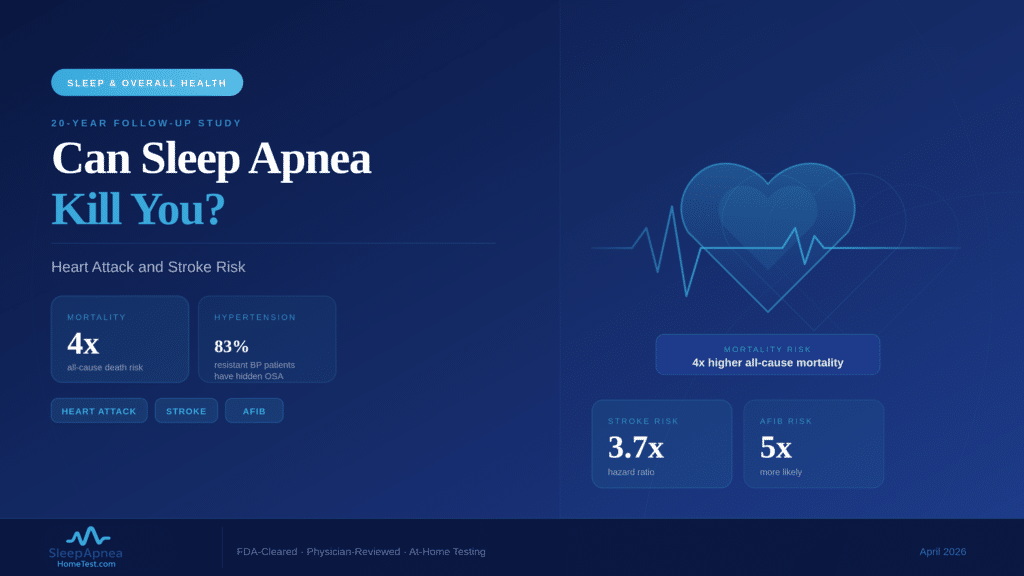
- High blood pressure
- Cognitive decline
- Increased risk of arrhythmias
- Daytime accidents due to fatigue
- Reduced quality of life
Ongoing oxygen instability stresses the brain and heart over time.
Treatment Options for Central Sleep Apnea
1. Managing Underlying Conditions
Treating heart failure, medication adjustments, or stroke rehabilitation can significantly reduce symptoms.
2. PAP Therapy
- CPAP (Continuous Positive Airway Pressure)
- BiPAP (Bilevel Positive Airway Pressure)
- ASV (Adaptive Servo-Ventilation) is often used when standard CPAP is ineffective
3. Oxygen Therapy
Supplemental oxygen may be recommended depending on severity.
4. Medication Adjustments
Reducing or replacing certain drugs (like opioids) can resolve CSA in some patients.
5. Implantable Devices
In select cases, a phrenic nerve stimulator helps regulate breathing during sleep.
FAQs About Central Sleep Apnea
Is CSA dangerous?
Yes, especially when untreated. It can strain your heart, reduce oxygen supply, and impact brain function.
Can CSA go away on its own?
Altitude-related CSA often resolves, but most forms require medical treatment.
Is a sleep apnea home test enough to diagnose CSA?
Home tests are excellent screening tools, but may need follow-up with an in-lab sleep study for a full diagnosis.
Does CSA always involve snoring?
No. Many CSA patients don’t snore at all.
Key Statistics
- Up to 30–40% of people with heart failure experience some form of CSA.
- CSA is found in one-third of stroke survivors.
- Men are affected twice as often as women.
Conclusion: Don’t Ignore the Signs of Central Sleep Apnea
Central Sleep Apnea is a serious but often overlooked condition. Understanding the symptoms, knowing the risks, and seeking early testing, whether through a sleep apnea home test, an AI facial scan, or a professional sleep study, can make a life-changing difference.
If you or someone you know is struggling with unexplained fatigue or nighttime breathing issues, now is the time to take action. Early diagnosis leads to better treatment, improved sleep, and a healthier life.