
Sleep apnea is a common sleep disorder that often goes unnoticed for years. Many people believe loud snoring or constant tiredness is normal, but these can be warning signs of a serious condition. Sleep apnea causes repeated pauses in breathing during sleep, lowering oxygen levels and placing stress on the heart, brain, and other organs. Recognizing the signs early can reduce the risk of long-term health problems and improve daily quality of life.
What Sleep Apnea Is
Sleep apnea occurs when breathing repeatedly stops and starts during sleep. These pauses can last from a few seconds to over a minute and may happen dozens of times per hour. Each interruption prevents the body from reaching deep, restorative sleep. As a result, the brain and body remain in a semi-alert state throughout the night, even if the person believes they slept for many hours. Over time, this disrupted sleep affects energy levels, mood, memory, and overall health.
Obstructive Sleep Apnea
Obstructive sleep apnea is the most common type. It happens when the muscles in the throat relax too much during sleep, causing the airway to narrow or collapse. Air struggles to pass through, which leads to snoring, breathing pauses, and sudden gasping for air. Many people with obstructive sleep apnea are unaware of these events because they occur while asleep. A bed partner often notices loud snoring followed by silence and choking sounds. Risk increases with excess body weight, a larger neck size, and sleeping on the back.
Central Sleep Apnea
Central sleep apnea is less common and occurs for a different reason. In this form, the brain does not send consistent signals to the muscles that control breathing. There is no physical blockage of the airway, but breathing still stops repeatedly. Central sleep apnea is often linked to conditions such as stroke, heart failure, or neurological disorders. Snoring may be mild or absent, making it harder to recognize without medical testing. Diagnosis usually requires a formal sleep study.
Common Signs During Sleep
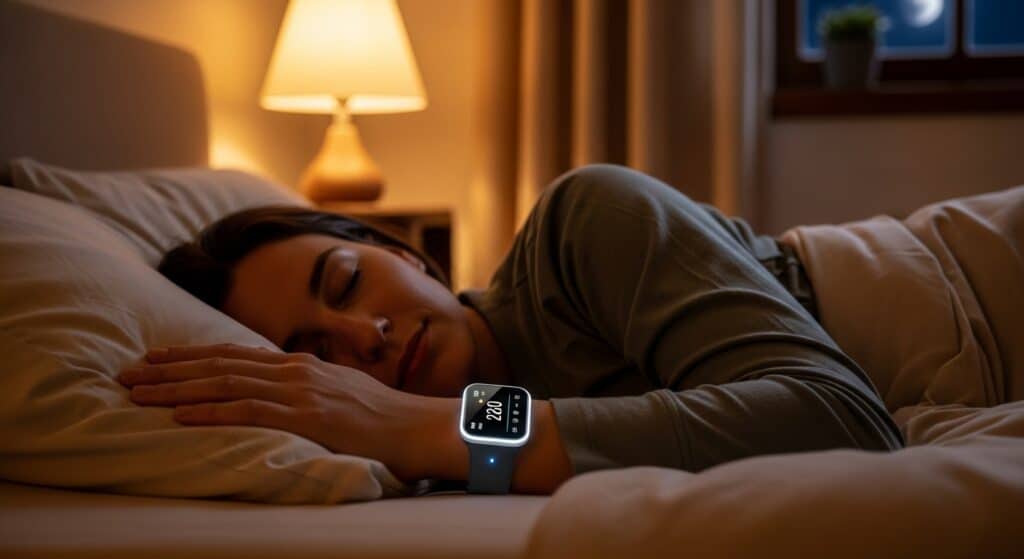
Nighttime symptoms are among the strongest indicators of sleep apnea, yet most people are unaware of them. Because these signs happen during sleep, feedback from a partner or recording sleep can be helpful. Repeated breathing interruptions prevent the body from maintaining stable oxygen levels and continuous rest.
Loud Snoring
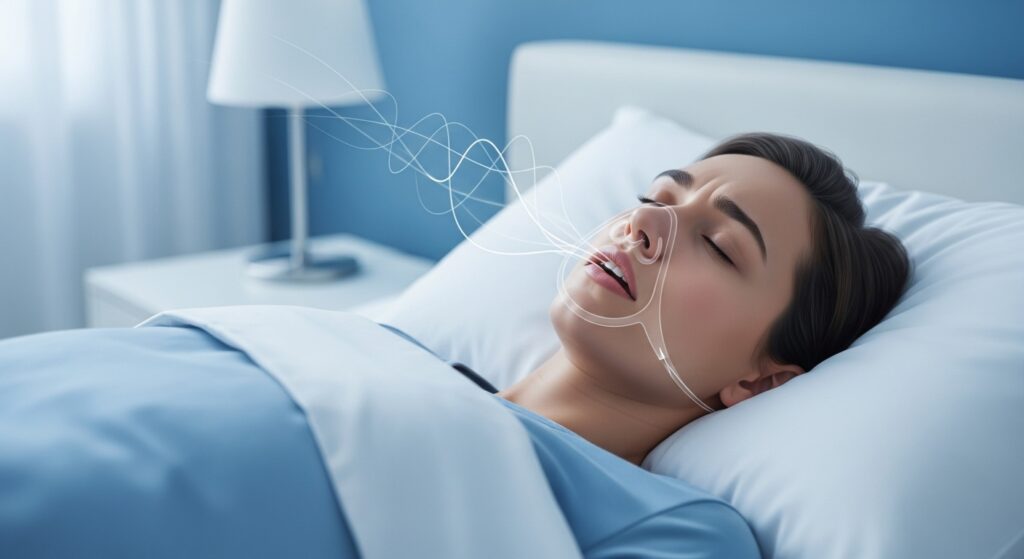
Loud, chronic snoring is one of the most common warning signs. While occasional snoring is normal, snoring that occurs most nights and is loud enough to disturb others may signal sleep apnea. A pattern where snoring suddenly stops, followed by silence and then a loud gasp or snort, is especially concerning. Snoring alone does not confirm sleep apnea, but when combined with breathing pauses, it strongly suggests the condition.
Breathing Pauses and Choking
Breathing pauses are a defining feature of sleep apnea. These episodes often include choking, gasping, or snorting sounds as the body struggles to resume normal breathing. Each pause causes a brief awakening, even if the person does not remember it. This cycle can repeat many times throughout the night, severely reducing sleep quality and leaving the person exhausted the next day.
Daytime Symptoms You Should Not Ignore
Daytime symptoms are often what prompt people to seek medical help. These effects occur because the body never reaches deep, uninterrupted sleep. Even after spending enough time in bed, the person wakes up feeling unrefreshed and drained.
Excessive Daytime Sleepiness
Persistent daytime sleepiness is one of the most noticeable signs of sleep apnea. People may struggle to stay awake during meetings, while watching television, or even while driving. Caffeine may provide only temporary relief. This constant fatigue increases the risk of accidents and reduces concentration, productivity, and reaction time.
Morning Headaches and Brain Fog
Low oxygen levels during sleep can affect brain function. Many people with sleep apnea wake up with headaches, mental fog, or difficulty concentrating. Memory problems and slower thinking are common. Mood changes, including irritability and reduced motivation, may also develop, affecting relationships and work performance.
Risk Factors That Increase Your Chances
Certain physical traits, habits, and medical conditions raise the likelihood of developing sleep apnea. Having one risk factor does not guarantee the condition, but multiple factors combined with symptoms increase concern.
Physical and Lifestyle Factors
Excess body weight is one of the strongest risk factors, as extra tissue around the neck can narrow the airway. Smoking can inflame airway tissues, while alcohol use before bed relaxes throat muscles, making airway collapse more likely. Men are diagnosed more often than women, and risk increases with age. Neck size and sleeping position also play a role.
Medical Conditions
Sleep apnea is linked to several medical conditions, including high blood pressure, heart disease, type 2 diabetes, and polycystic ovary syndrome. A family history of sleep apnea also raises risk. When symptoms and these conditions occur together, medical evaluation becomes especially important.
How Sleep Apnea Is Diagnosed
A proper diagnosis requires objective testing rather than symptoms alone. Doctors evaluate breathing patterns, oxygen levels, and sleep stages to confirm the condition and determine severity.
Sleep Studies at a Clinic
An in-lab sleep study, known as polysomnography, is the most detailed diagnostic test. It records brain activity, breathing, oxygen levels, heart rate, and body movements throughout the night. This data shows how often breathing stops and how severely sleep is disrupted. It also helps rule out other sleep disorders that may cause similar symptoms.
Home Sleep Tests
Home sleep apnea tests are a simpler option for some patients. These tests measure airflow, breathing effort, and oxygen levels while the person sleeps at home. They are most effective for detecting moderate to severe obstructive sleep apnea. However, they may not identify complex or central sleep apnea, so a doctor determines whether this option is appropriate. Start our free 60‑second AI scan
When to See a Doctor
Medical advice should be sought if loud snoring occurs alongside breathing pauses, ongoing daytime fatigue, or frequent morning headaches. Self-diagnosis is unreliable, and delaying evaluation increases health risks. A primary care doctor can assess symptoms and refer patients to a sleep specialist if needed.
What Happens If Sleep Apnea Is Left Untreated
Untreated sleep apnea can have serious consequences. It increases the risk of high blood pressure, heart attack, stroke, and type 2 diabetes. Mental health may also suffer, with higher rates of depression and anxiety. Treatment often leads to rapid improvements in sleep quality, energy, focus, and mood. Identifying the signs early is the first and most important step toward better health.