
Sleep apnea is a common but often overlooked sleep disorder. Many people live with it for years without realizing that their sleep problems are linked to breathing interruptions. Snoring, fatigue, and poor sleep quality are frequently dismissed as normal, but they can point to a more serious issue.
Understanding how to tell if you have sleep apnea can help you take action early. This reduces the risk of long-term health problems and improves daily quality of life. The sections below explain symptoms, at-home warning signs, and when to seek medical testing.
What Sleep Apnea Is and Why It Matters
Sleep apnea occurs when breathing repeatedly stops and starts during sleep. These pauses can last several seconds or longer and may happen dozens of times per hour. Each pause lowers oxygen levels and briefly wakes the brain to restart breathing, often without conscious awareness.
There are two main types of sleep apnea. Obstructive sleep apnea happens when the airway collapses or becomes blocked during sleep. Central sleep apnea occurs when the brain does not send consistent signals to the muscles that control breathing. Both types disrupt sleep and strain the body.
Untreated sleep apnea increases the risk of high blood pressure, heart disease, stroke, and type 2 diabetes. It also affects memory, focus, and mood. Recognizing symptoms early helps prevent these complications.
Common Signs and Symptoms of Sleep Apnea
Sleep apnea symptoms vary from person to person. Some signs appear during sleep, while others affect daytime functioning. Many people experience a combination of both.
Nighttime Symptoms
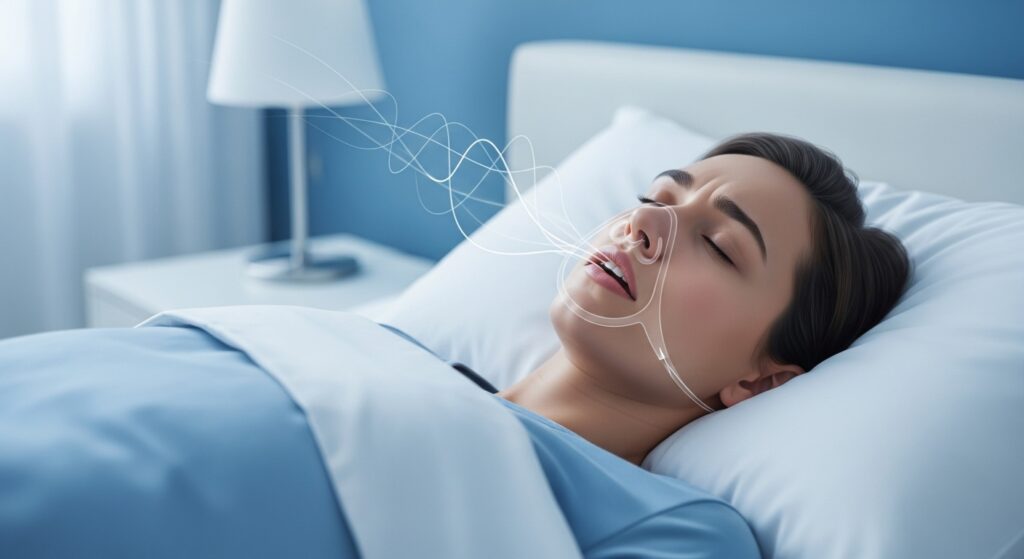
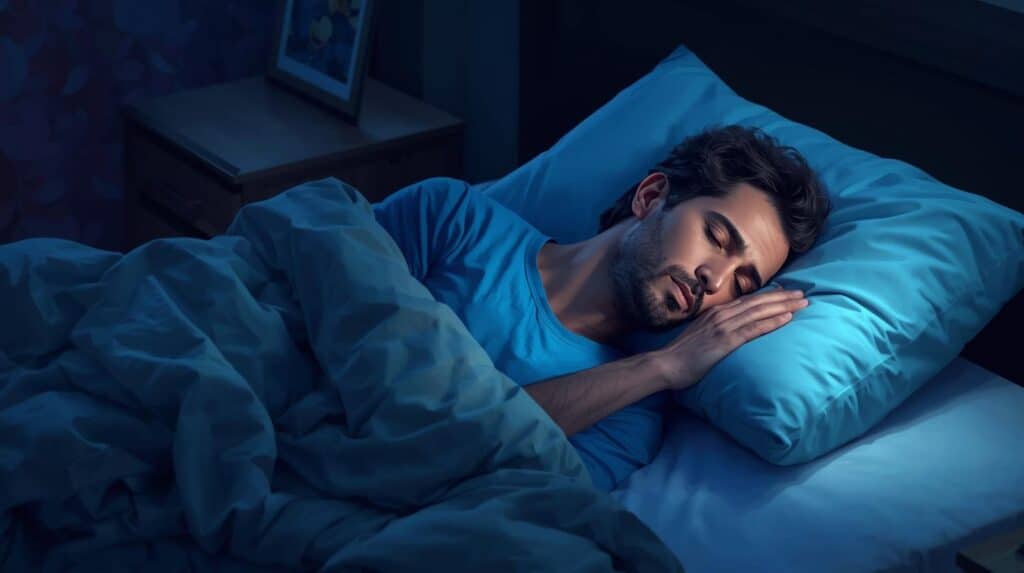
Nighttime symptoms are often noticed by a bed partner rather than the person affected. Loud, chronic snoring is common, especially when combined with long pauses in breathing. Gasping, choking, or snorting sounds during sleep are also key warning signs.
Other nighttime symptoms include restless sleep, frequent awakenings, morning headaches, and waking with a dry mouth or sore throat. Many people wake up feeling unrefreshed even after several hours of sleep.
Daytime Symptoms
Daytime symptoms result from repeated sleep disruption. Excessive daytime sleepiness is one of the most common complaints. People may struggle to stay alert at work, while driving, or during conversations.
Difficulty concentrating, memory problems, irritability, and low energy are also common. If you sleep for an adequate number of hours but still feel exhausted most days, sleep apnea may be the cause.
How to Tell If You Have Sleep Apnea at Home
At-home observation can help identify warning signs of sleep apnea. These methods do not provide a diagnosis, but they can indicate whether further testing is needed.
Self-Observation Methods
Pay attention to how you feel when you wake up and throughout the day. Frequent morning headaches, dry mouth, and persistent fatigue are common indicators. Many people notice they wake up several times during the night without knowing why.
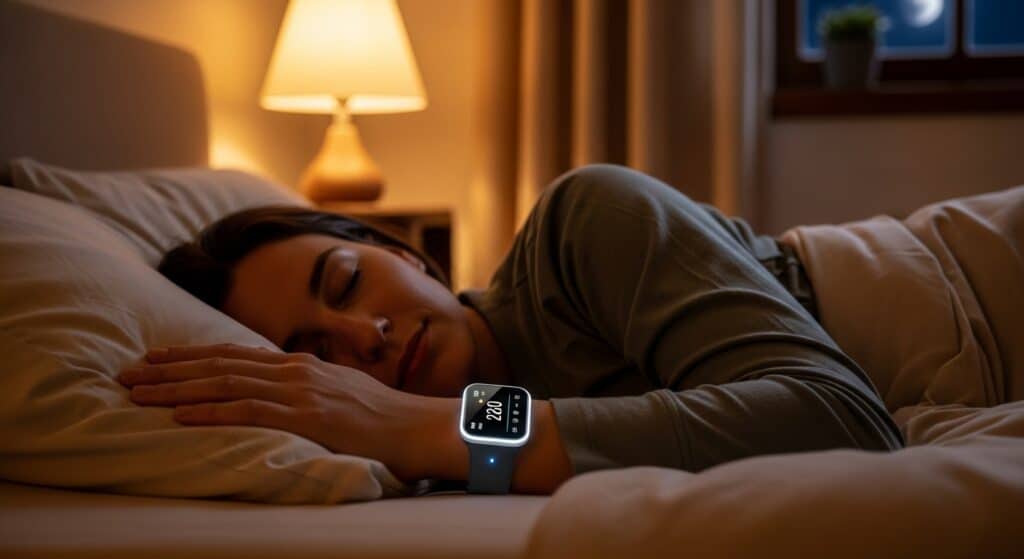
Sleep tracking apps and wearable devices may show frequent awakenings or drops in oxygen levels. These tools can support awareness but should not be relied on for diagnosis. Symptoms may also worsen when sleeping on your back.
Feedback From a Bed Partner
A bed partner often provides the clearest clues. They may notice loud snoring, long pauses in breathing, or gasping for air during sleep. A pattern of silence followed by a loud breath is particularly concerning.
If you sleep alone, audio recording apps can help capture snoring and breathing patterns. Reviewing recordings for repeated gaps in breathing can be useful when discussing symptoms with a healthcare provider.
How to Tell If You Have Central Sleep Apnea
Central sleep apnea is less common than obstructive sleep apnea and often harder to recognize. It is caused by problems in the brain’s breathing control rather than airway blockage.
Symptoms That Differ From Obstructive Sleep Apnea
People with central sleep apnea may experience breathing pauses without loud snoring. Sudden awakenings with shortness of breath, insomnia, and unexplained daytime fatigue are possible signs.
Central sleep apnea is more likely in people with heart failure, prior stroke, brain injury, or neurological conditions. Certain medications, especially opioids, increase risk. Diagnosis requires a sleep study, as symptoms alone cannot confirm this condition.
Risk Factors That Increase the Likelihood of Sleep Apnea
Several factors raise the likelihood of developing sleep apnea. Excess body weight, a large neck circumference, male sex, and family history are common contributors. Smoking and alcohol use before bed also increase risk.
Structural features such as a narrow airway, enlarged tonsils, or jaw alignment issues can play a role. Risk increases with age, especially after 40. When risk factors and symptoms occur together, medical evaluation is strongly recommended.
When to Get a Medical Sleep Study
A medical sleep study is necessary to confirm sleep apnea. Testing is advised if snoring is loud and frequent, breathing pauses are observed, or daytime sleepiness interferes with safety or work performance.
Sleep studies measure breathing patterns, oxygen levels, heart rate, and brain activity. Options include in-lab polysomnography or physician-approved home sleep tests. Only these tests can provide a definitive diagnosis.
What Happens After a Diagnosis
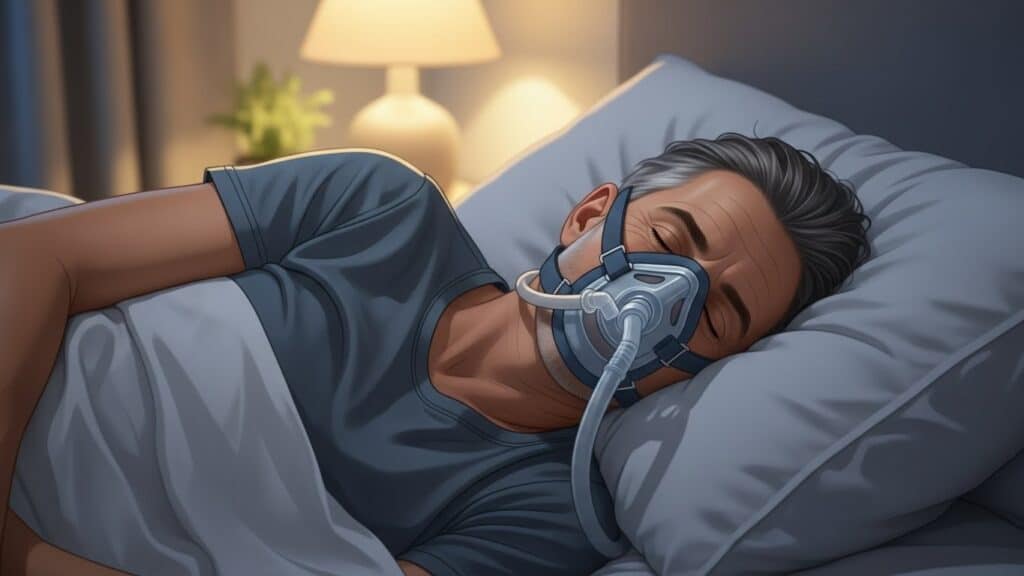
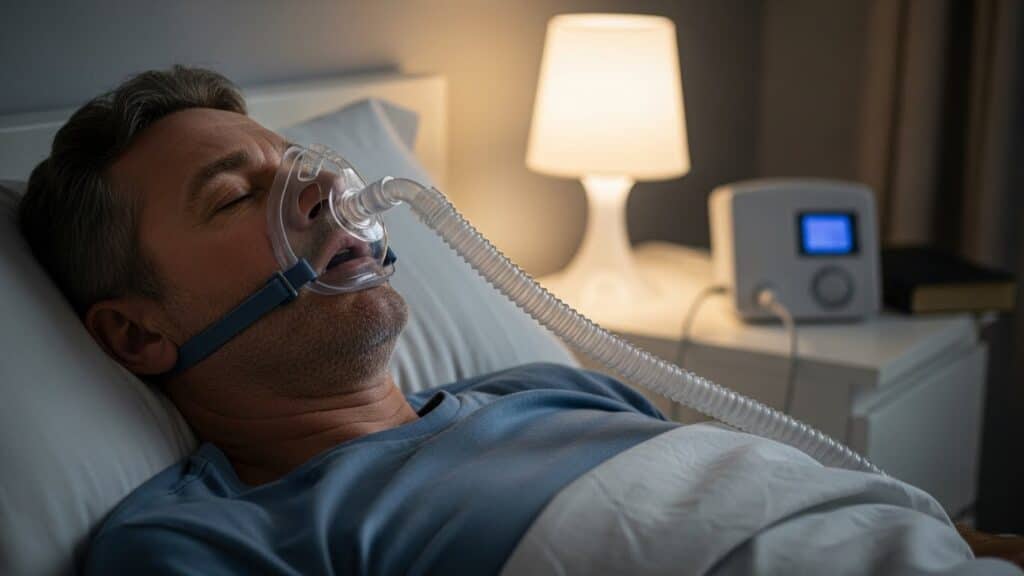
Treatment depends on the type and severity of sleep apnea. Common options include CPAP therapy, oral appliances, weight management, and positional therapy. Some cases may require surgery, while others improve with lifestyle changes.
Effective treatment often leads to better energy, improved blood pressure, and enhanced mood and focus. Addressing sleep apnea early reduces long-term health risks and improves overall well-being.
Key Takeaways
Sleep apnea often goes unnoticed, but its effects are significant. Snoring, breathing pauses, and ongoing fatigue should not be ignored. At-home signs help identify risk, but medical testing confirms the condition. Early recognition and treatment lead to better sleep and better health. Start our free 60‑second AI scan