
Sleep apnea is a medical condition that causes repeated interruptions in breathing during sleep. These interruptions reduce oxygen levels and prevent deep, restorative rest. Over time, this leads to chronic fatigue, impaired concentration, memory problems, and increased health risks. Because of these effects, many people wonder whether sleep apnea is legally considered a disability. The answer depends on how the condition affects daily functioning and which legal or benefit system is being evaluated. A diagnosis alone is not enough. The determining factor is the level of limitation the condition creates in everyday life and work activities.
Understanding Sleep Apnea
Sleep apnea disrupts normal sleep patterns by causing repeated breathing pauses throughout the night. These pauses may last a few seconds or longer and can occur dozens of times per hour. As a result, the body never reaches consistent deep sleep. People with untreated sleep apnea often wake feeling unrefreshed, even after spending adequate time in bed. Over time, this ongoing sleep disruption increases the risk of serious conditions such as heart disease, high blood pressure, stroke, and type 2 diabetes. Diagnosis typically requires a sleep study, which measures breathing patterns, oxygen levels, and sleep stages to determine severity.
Types of Sleep Apnea
There are three recognized forms of sleep apnea. Obstructive sleep apnea is the most common and occurs when the muscles in the throat relax and block airflow during sleep. Central sleep apnea is caused by the brain failing to send consistent signals to the muscles responsible for breathing. Complex sleep apnea is a combination of both obstructive and central types. Each form can range from mild to severe, and severity plays a critical role in disability determinations because it directly affects functional limitations.
Common Symptoms and Daily Impact
The effects of sleep apnea extend far beyond loud snoring. Common symptoms include excessive daytime sleepiness, difficulty concentrating, headaches upon waking, irritability, and slowed reaction time. These symptoms can interfere with work performance, increase the risk of workplace errors, and make activities such as driving unsafe. When these limitations persist despite treatment, they become central to determining whether sleep apnea qualifies as a disability under legal or benefit frameworks.
Is Sleep Apnea a Disability Under U.S. Law?
Under U.S. law, sleep apnea is not automatically classified as a disability. Legal definitions focus on how a condition limits major life activities rather than the medical diagnosis itself. Different systems apply different standards, which means sleep apnea may qualify in one context but not in another. The most common frameworks include the Americans with Disabilities Act and the Social Security Administration’s disability programs.
Sleep Apnea and the ADA
The Americans with Disabilities Act defines a disability as a physical or mental impairment that substantially limits one or more major life activities. Sleep is explicitly recognized as a major life activity, along with concentrating and working. Sleep apnea may qualify as a disability under the ADA if it significantly limits these activities, even when treatment is being used. When it qualifies, the ADA does not provide financial benefits but does protect employees from discrimination and allows them to request reasonable workplace accommodations.
Sleep Apnea and Social Security Disability
The Social Security Administration does not list sleep apnea as a standalone disabling condition. Instead, claims are evaluated based on related impairments, such as respiratory disorders, cardiovascular complications, or neurological effects caused by chronic oxygen deprivation. Approval depends on medical evidence showing that sleep apnea or its complications prevent substantial gainful employment. Many claims are denied when symptoms are mild or well-controlled, highlighting the importance of strong documentation.
Qualifying for Disability Benefits With Sleep Apnea
To qualify for disability benefits, a claimant must show that sleep apnea causes measurable functional limitations. This requires more than self-reported fatigue. Medical evidence must demonstrate how the condition affects the ability to work on a sustained basis. Consistency across medical records is critical, as discrepancies can weaken a claim.
Medical Evidence Required
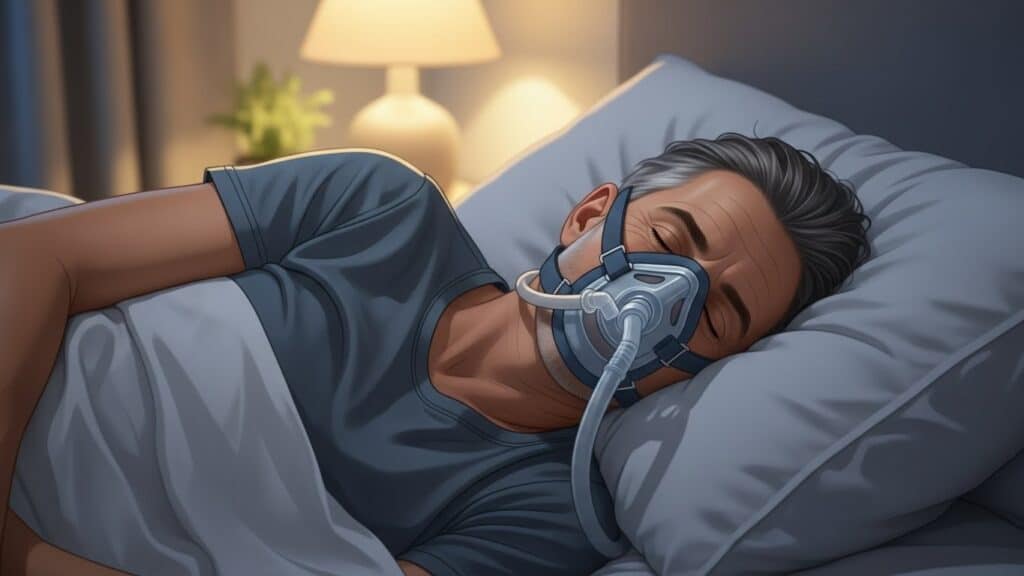
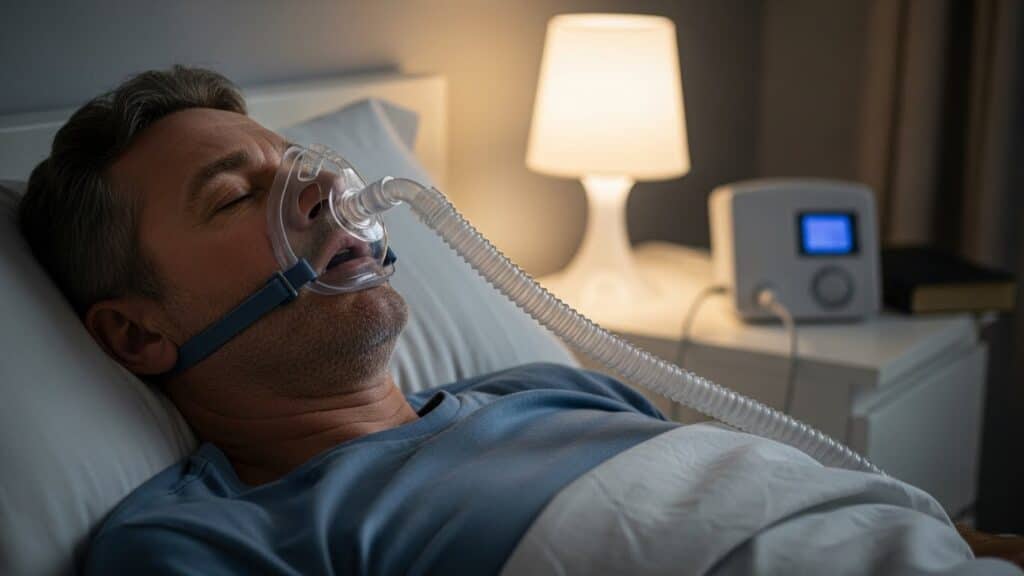
Effective claims include sleep study results, detailed treatment records, and physician statements describing ongoing symptoms. Documentation should also show compliance with prescribed treatments such as CPAP therapy. If treatment is ineffective or intolerable, this must be clearly documented by a healthcare provider. Without comprehensive medical evidence, disability claims based on sleep apnea are unlikely to succeed.
Functional Limitations That Matter
The Social Security Administration focuses on how symptoms reduce work capacity. Limitations such as inability to stay awake, impaired concentration, slowed reaction time, and reduced stamina are especially relevant. Medical records must connect these limitations directly to job-related tasks. Vague complaints without functional context typically do not meet disability standards.
VA Disability Ratings for Sleep Apnea
Veterans with sleep apnea are evaluated under a separate system administered by the Department of Veterans Affairs. The VA assigns disability ratings based on severity and treatment requirements. A service connection is mandatory, meaning the condition must be linked to military service through medical evidence.
Rating Percentages Explained
VA ratings for sleep apnea range from noncompensable to significant monthly compensation. Asymptomatic cases may receive a zero percent rating, while persistent daytime sleepiness may qualify for a higher rating. Veterans who require a CPAP machine are commonly rated at fifty percent. These ratings are based on established criteria rather than employment impact alone.
Workplace Rights and Accommodations
Employees with sleep apnea may have workplace protections if the condition meets ADA standards. These protections allow for reasonable accommodations that help employees perform essential job duties without imposing undue hardship on the employer.
Reasonable Accommodations Examples
Accommodations are tailored to the job and individual needs. They may include flexible schedules, modified shift times, remote work options, or additional rest breaks. Employers are required to participate in an interactive process to identify appropriate solutions. Requests are evaluated individually rather than granted automatically.
When Sleep Apnea Is Not Considered a Disability
Sleep apnea may not qualify as a disability when symptoms are mild, well-controlled with treatment, or do not interfere with daily activities. If an individual can perform work duties effectively and safely, legal protections or benefits may not apply. Each case is assessed on its own facts, making medical documentation essential. Start our free 60‑second AI scan
Key Takeaways and Next Steps
Sleep apnea can be considered a disability in certain legal and benefit contexts, but qualification depends on severity, functional impact, and documentation. A diagnosis alone is not sufficient. Strong medical records and clear evidence of limitation are critical. Individuals seeking benefits or workplace accommodations should work closely with healthcare providers and, when needed, legal or advocacy professionals to understand their options and responsibilities.