
Sleep apnea affects an estimated 30 million people in the United States, and many don’t even know they have it. If you’ve been waking up tired, snoring loudly, or feeling foggy during the day, a sleep apnea test could be the key to finally understanding what’s going on.
In this guide, you’ll learn what a sleep apnea test is, how it works, what to expect, and whether a sleep apnea home test or an in-lab study is right for you. We’ll also explore innovations, like using an AI facial scan for screening, which are making testing faster and more accessible than ever.
What Is a Sleep Apnea Test?
A sleep apnea test is a diagnostic study that evaluates your breathing, oxygen levels, heart activity, and sleep patterns to determine whether you have obstructive sleep apnea (OSA) or another sleep-related breathing disorder.
Why it matters
Untreated sleep apnea can lead to:
- High blood pressure
- Heart disease and stroke
- Type 2 diabetes
- Mood disorders
- Daytime sleepiness and accidents
Getting tested is the first step toward better sleep and better health.
Types of Sleep Apnea Tests
1. Home Sleep Apnea Test (HSAT)
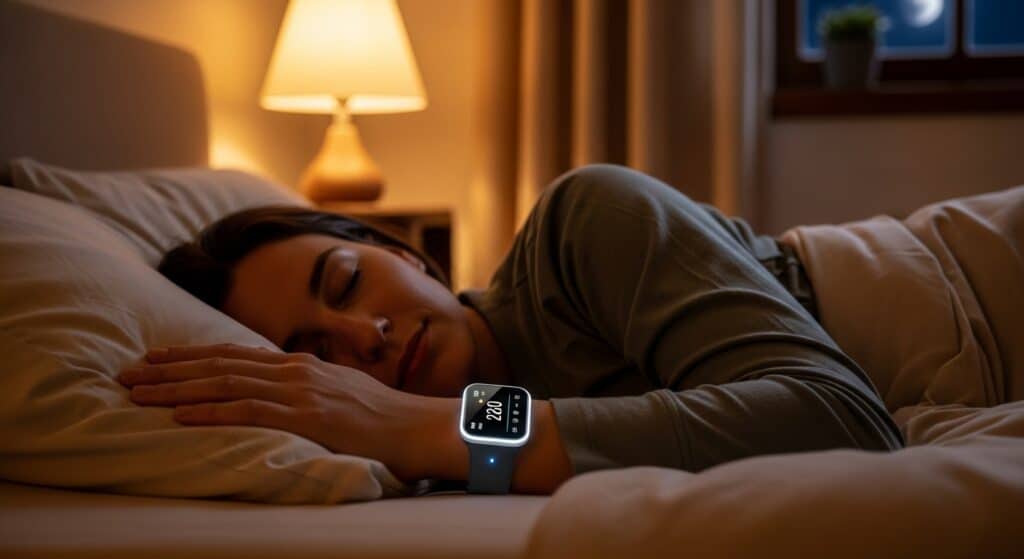
A sleep apnea home test is a simplified, at-home study that measures:
- Airflow
- Breathing effort
- Blood oxygen saturation
Who it’s for:
People with moderate to high suspicion of obstructive sleep apnea and no major underlying health conditions.
Benefits:
- Convenient and comfortable
- Lower cost compared to lab studies
- Lets you sleep in your own bed
- Fast results
Example:
Mark, a 45-year-old from Texas, suspected sleep apnea due to loud snoring. His doctor ordered a home test, which he completed in one night. Results confirmed moderate OSA, and he started therapy the same week.
2. In-Lab Polysomnography (PSG)
A polysomnography is the gold standard sleep test performed overnight in a sleep center.
It measures:
- Brain waves (EEG)
- Eye movement
- Muscle activity
- Heart rate
- Breathing patterns
- Oxygen levels
Who it’s for:
People with:
- Complex sleep issues
- Suspected central sleep apnea
- Heart or lung conditions
- Inconclusive home test results
How Is a Sleep Apnea Test Performed?
For Home Testing
- Pick up or receive the device via mail.
- Follow simple instructions to place sensors on your finger, chest, and nose.
- Sleep as usual.
- Return the device or upload data.
- A board-certified sleep physician interprets results.
For In-Lab Testing
- Arrive at a sleep center in the evening.
- A technician places painless sensors on your body.
- You sleep while being monitored throughout the night.
- A sleep specialist analyzes the data and provides a diagnosis.
New Technology: Can AI Help Detect Sleep Apnea?
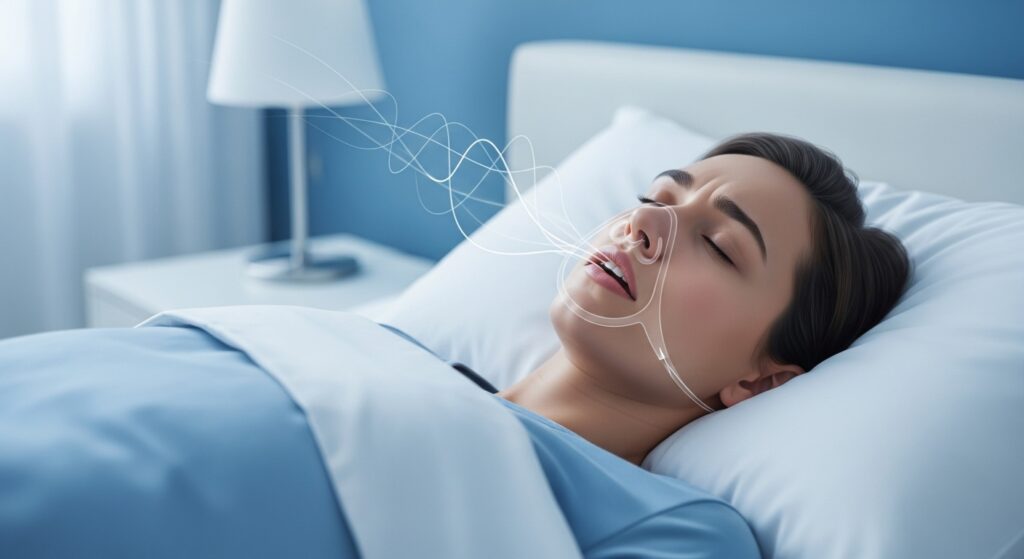
A growing number of clinics and telehealth providers now use AI facial scan technology as an early screening tool.
It evaluates facial structure, airway characteristics, and risk indicators associated with sleep apnea.
Benefits of AI screening:
- Quick, often under one minute
- Non-invasive
- Helps identify high-risk patients who need testing
- Improves access for underserved communities
While AI cannot replace an official sleep study, it’s a promising first step for people unsure whether they should get tested.
Signs You May Need a Sleep Apnea Test
You should consider testing if you experience:
- Loud, habitual snoring
- Pauses in breathing during sleep (often noticed by a partner)
- Waking up gasping or choking
- Morning headaches
- Daytime fatigue
- Trouble concentrating
What Do Sleep Apnea Test Results Mean?
The test determines your Apnea-Hypopnea Index (AHI)—the number of breathing disruptions per hour.
| AHI Score | Severity |
| 5–15 | Mild sleep apnea |
| 15–30 | Moderate |
| 30+ | Severe |
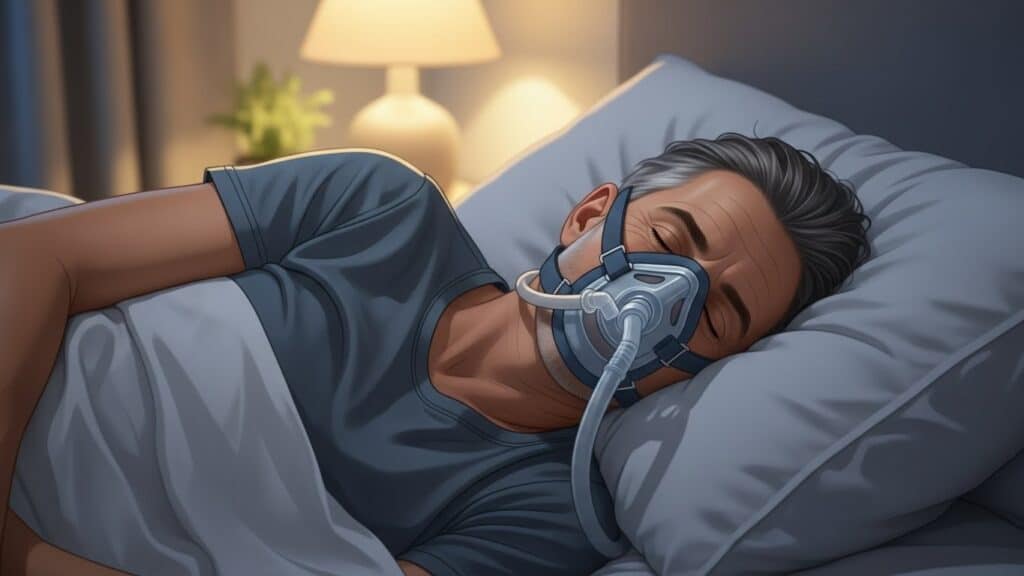
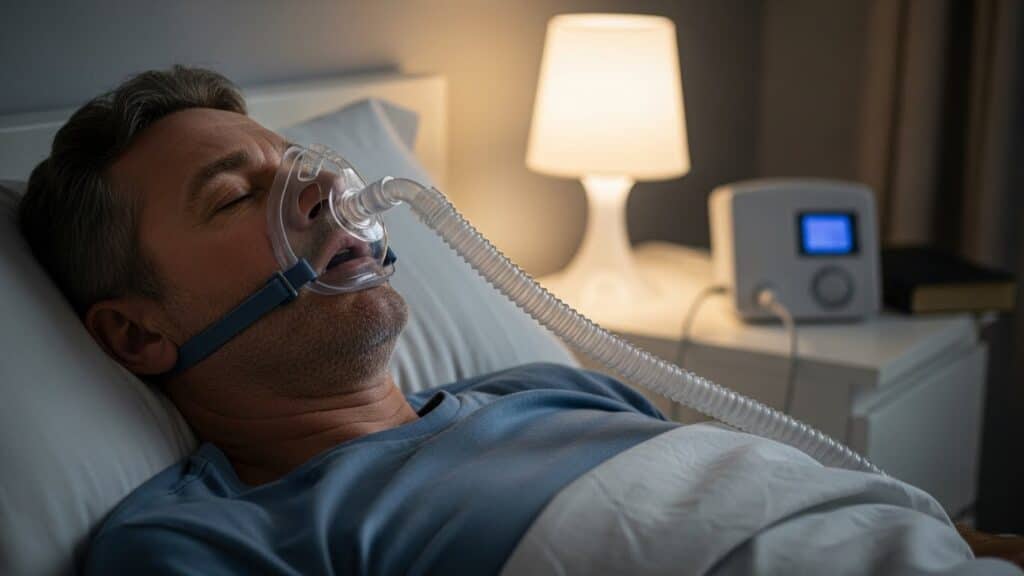
Your doctor will use this score to recommend treatment, such as CPAP, oral appliances, weight management, or other therapies.
How Much Does a Sleep Apnea Test Cost in the USA?
Costs vary depending on insurance and location.
- Home sleep apnea test: $150–$400
- In-lab sleep study: $1,000–$3,000+
Most insurance providers—including Medicare—cover testing if medically necessary.
FAQs About Sleep Apnea Tests
1. Can I diagnose sleep apnea without a test?
No. Symptoms alone are not enough; a sleep study is required for an official diagnosis.
2. Which is better: home test or in-lab test?
A home test works for many people, but an in-lab test provides the most complete data. Your doctor will help you choose.
3. Is the test uncomfortable?
Home tests are usually very comfortable. In-lab tests take some getting used to but are not painful.
4. How long until I get results?
Most people receive results in 3–10 days.
Conclusion: A Sleep Apnea Test Could Change Your Life
If you’re struggling with fatigue, snoring, or restless nights, a sleep apnea test offers clarity and a path to treatment. Whether you choose a sleep apnea home test, an in-lab sleep study, or start with an AI facial scan screening, getting evaluated is the first step toward healthier, more energizing sleep.
Takeaway:
Don’t ignore the signs; better sleep is within reach. Talk to a sleep specialist or start with a quick screening today.