
Yes, you can have sleep apnea without snoring. Snoring is common, but it is not required for a sleep apnea diagnosis.
Sleep apnea is defined by repeated breathing interruptions during sleep, not by noise. Some people experience silent breathing pauses that still reduce oxygen levels and disrupt sleep quality. Because there is no snoring, these cases are often overlooked or misdiagnosed.
Understanding the signs, causes, and detection methods is essential, especially as tools like AI facial scan technology begin to support early risk screening.
What Is Sleep Apnea?
Sleep apnea is a sleep-related breathing disorder. It causes repeated pauses in breathing or shallow breaths while asleep.
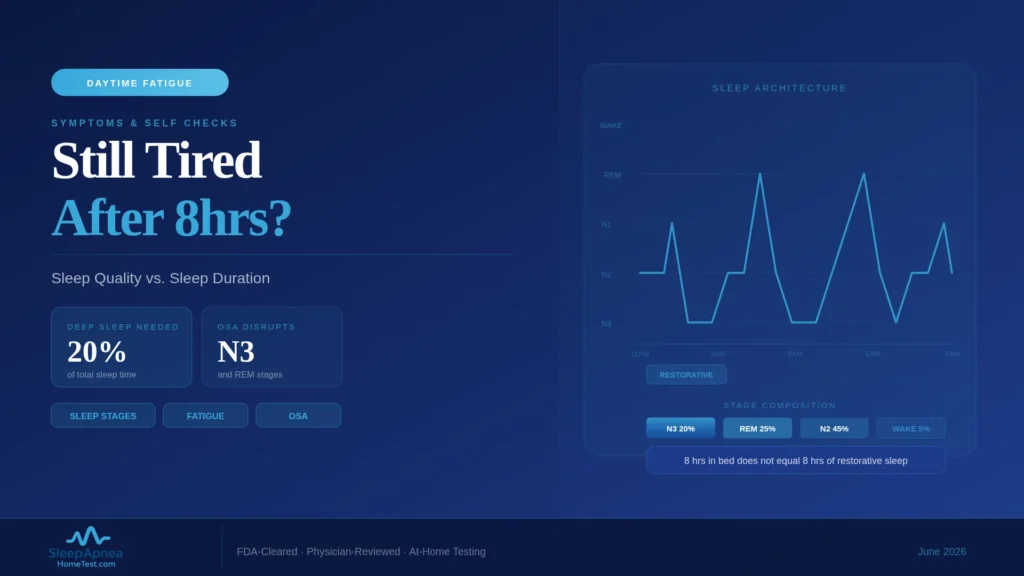
Each pause lowers oxygen levels and forces the brain to briefly wake the body to restart breathing. These awakenings usually go unnoticed but prevent deep, restorative sleep.
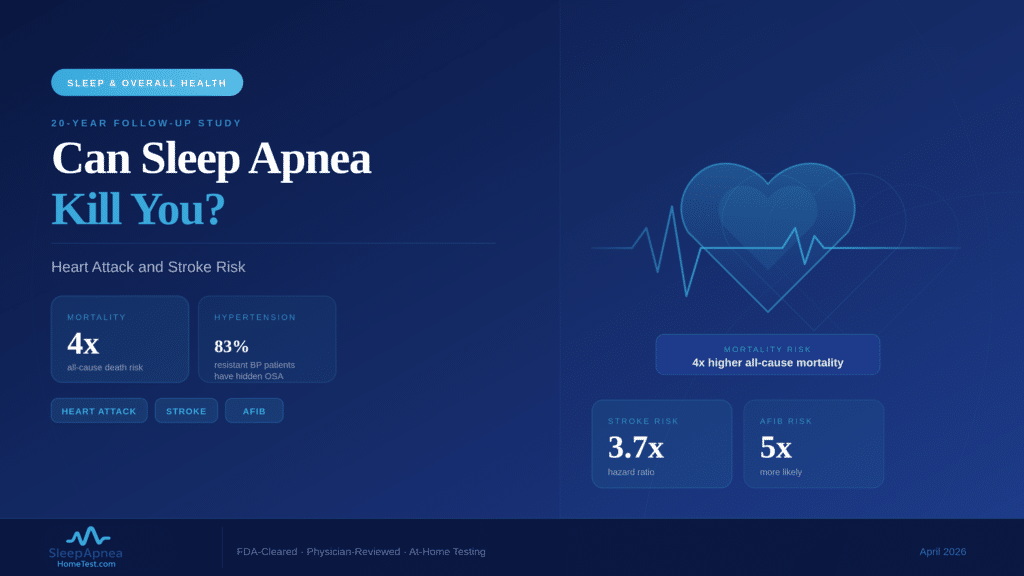
Over time, untreated sleep apnea increases the risk of:
- High blood pressure
- Heart disease
- Stroke
- Type 2 diabetes
- Daytime accidents
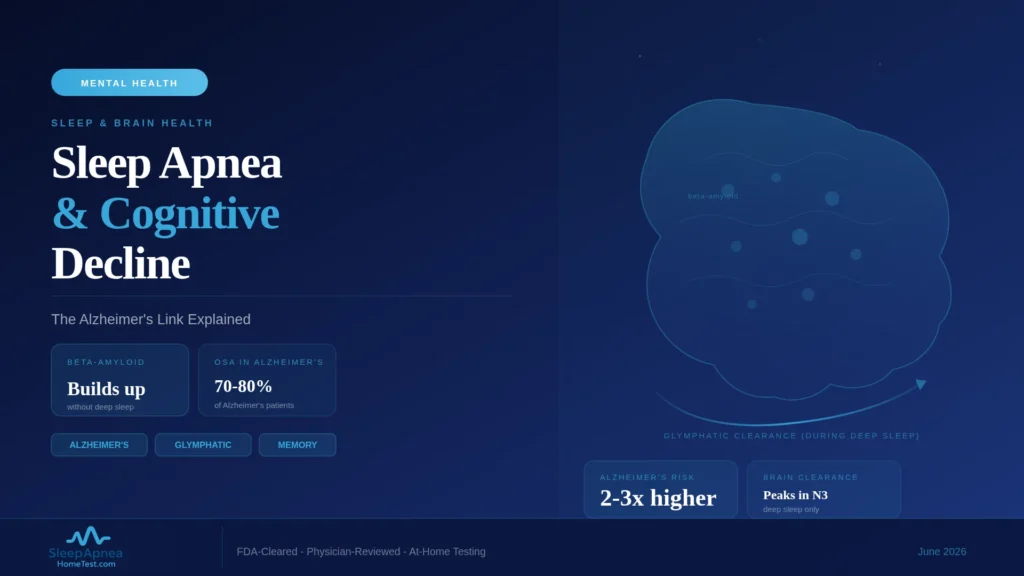
- Cognitive decline
Snoring may occur, but it is not the defining feature.
Is Snoring Necessary for Sleep Apnea?
No. Snoring is not required.
Many people assume that loud snoring is the main sign of sleep apnea. While this is true for many cases of obstructive sleep apnea, others experience breathing disruptions without audible noise.
Silent sleep apnea can occur when:
- Airflow is reduced but not turbulent
- Breathing stops without airway vibration
- The brain fails to send breathing signals
This is why relying on snoring alone can delay diagnosis.
Symptoms of Sleep Apnea Without Snoring
Daytime Symptoms
Daytime symptoms are often the most noticeable but also the most misunderstood.
Common signs include:
- Persistent daytime fatigue
- Difficulty focusing
- Memory problems
- Morning headaches
- Irritability or low mood
- Reduced productivity
Many people attribute these symptoms to stress, poor sleep habits, or aging. However, if sleep feels unrefreshing despite enough time in bed, sleep apnea should be considered.
Nighttime and Physical Signs
Nighttime symptoms may be subtle and silent.
These include:
- Gasping or choking during sleep
- Frequent awakenings
- Dry mouth upon waking
- Night sweats
- Restless or fragmented sleep
Physical indicators may include elevated blood pressure, weight changes, or airway structure differences. People who sleep alone often miss nighttime breathing pauses entirely.
Types of Sleep Apnea and Snoring Differences
Obstructive Sleep Apnea (OSA)
OSA occurs when throat muscles relax and block airflow.
Snoring is common but not universal.
Mild or partial airway collapse may restrict airflow quietly. Jaw shape, tongue position, and nasal structure play major roles, even in people who are not overweight.
Central Sleep Apnea (CSA)
CSA occurs when the brain does not send proper signals to breathe.
There is no airway blockage.
Because airflow is not forced through a narrowed airway, snoring is uncommon. CSA is often linked to neurological conditions, heart disease, or medication effects.
Complex Sleep Apnea
Complex sleep apnea combines obstructive and central features.
Snoring may be present or absent.
Diagnosis requires detailed sleep testing, and treatment is tailored to breathing patterns rather than sound.
How Sleep Apnea Is Diagnosed Without Snoring
Diagnosis is based on breathing data, not noise.
Doctors use:
- In-lab sleep studies
- At-home sleep tests for eligible patients
These tests measure breathing interruptions, oxygen levels, heart rate, and sleep stages. Snoring may be recorded but is not required for diagnosis.
Emerging tools like AI facial scan systems are also being explored to identify anatomical risk factors linked to sleep apnea, such as jaw shape and airway structure. These tools do not replace sleep studies but may help flag risk earlier.
Why Silent Sleep Apnea Is Often Missed
Non-snoring sleep apnea lacks obvious warning signs.
Symptoms often resemble common issues like burnout, anxiety, or insomnia. Women and older adults are especially underdiagnosed because their symptoms are less typical.
Without snoring, neither patients nor clinicians may suspect sleep apnea until complications appear.
When to See a Doctor
You should seek evaluation if you experience:
- Ongoing daytime fatigue
- Morning headaches
- Memory or mood changes
- Uncontrolled high blood pressure
- Waking up short of breath
Snoring absence should never rule out testing. Symptoms and risk factors matter more than sound.
Treatment Options for Non-Snoring Sleep Apnea
Treatment depends on the type and severity of sleep apnea.
Options may include:
- CPAP or APAP therapy
- Oral appliances
- Positional therapy
- Weight management
- Treating underlying medical or neurological conditions
When treated properly, silent sleep apnea responds just as well as snoring-related cases.
Key Takeaway
You can have sleep apnea without snoring.
Silence does not mean safety.
If sleep feels unrefreshing and fatigue persists, breathing disruptions may be present. Early evaluation, supported by clinical testing and emerging tools like AI facial scan screening, can protect long-term health.