
Weight gain and poor sleep often show up together. Many people wonder which comes first. Sleep apnea is not just a breathing issue. It affects hormones, energy use, and daily habits. Understanding this link helps people make better health decisions.
Types of Sleep Apnea
There are three main types of sleep apnea.
- Obstructive sleep apnea (OSA)
Caused by airway collapse during sleep. The most common form - Central sleep apnea
The brain fails to signal breathing muscles properly - Complex sleep apnea
A combination of obstructive and central types
Obstructive sleep apnea has the strongest link to weight gain and obesity.
Common Symptoms of Sleep Apnea
Symptoms are often missed or blamed on stress.
Common signs include:
- Loud, chronic snoring
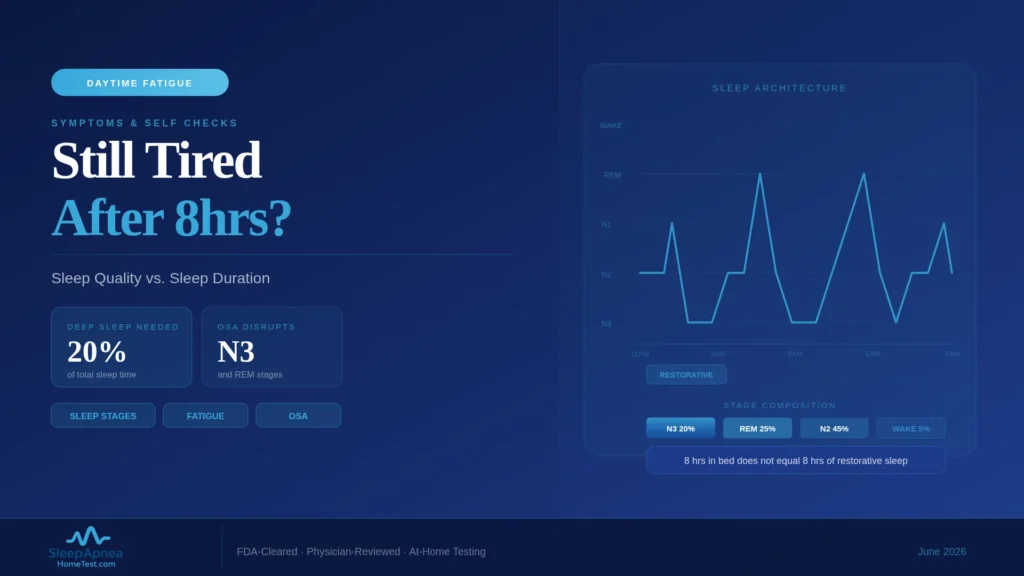
- Daytime fatigue
- Morning headaches
- Poor concentration
- Waking up gasping for air
Many people gain weight before realizing sleep apnea is present. Others notice weight gain after symptoms worsen.
How Sleep Apnea Can Lead to Weight Gain
Sleep apnea affects the body in ways that promote fat storage. The impact goes beyond poor sleep. Several mechanisms work together.
Hormonal Imbalances and Appetite
Sleep apnea disrupts key hunger hormones.
- Ghrelin increases
This hormone triggers hunger - Leptin decreases
This hormone signals fullness
When sleep is fragmented, appetite rises. Cravings often focus on high-calorie, high-carb foods. Insulin sensitivity may also drop. This makes it easier for the body to store fat. Over time, calorie intake increases without awareness.
Sleep Deprivation and Metabolism
Poor sleep slows metabolic processes. The body burns fewer calories at rest. Energy regulation becomes less efficient. Stress hormones like cortisol rise. High cortisol encourages abdominal fat storage. Muscle recovery also suffers. Less muscle mass means lower calorie burn. Even with unchanged eating habits, weight can increase.
Fatigue, Activity Levels, and Weight
Chronic fatigue changes daily behavior.
People with sleep apnea often:
- Move less
- Avoid exercise
- Sit more throughout the day
Physical activity feels harder. Recovery takes longer. Lower movement means fewer calories burned. This creates a steady energy surplus that leads to weight gain.
The Two-Way Relationship Between Sleep Apnea and Obesity
Sleep apnea and obesity reinforce each other. Each condition makes the other worse.
How Weight Increases Sleep Apnea Risk
Excess fat affects the airway. Fat deposits around the neck narrow the breathing passages. Abdominal fat reduces lung expansion. These changes raise airway collapse risk during sleep. Obesity also increases inflammation. Inflammation worsens airway instability. This explains why higher body weight strongly predicts sleep apnea severity.
Why the Cycle Is Hard to Break
Sleep apnea promotes weight gain. Weight gain worsens sleep apnea.
This cycle creates:
- Poor sleep
- Low energy
- Hormonal disruption
Without treatment, lifestyle changes feel harder to maintain. Breaking the cycle often requires addressing sleep first.
Can Treating Sleep Apnea Help With Weight Loss?
Treatment improves sleep quality. Better sleep supports healthier weight control.
CPAP Therapy and Weight Changes
CPAP keeps the airway open during sleep. It restores oxygen levels and deep sleep stages.
Benefits include:
- Improved energy
- Better insulin sensitivity
- Reduced cortisol levels
Weight loss is not automatic. But CPAP makes weight loss efforts more effective. People often feel able to exercise again. Hunger cues become more balanced.
Lifestyle Changes That Support Both Sleep and Weight
Best results come from combined approaches.
Helpful strategies include:
- Regular sleep schedules
- Reduced alcohol intake
- Gradual weight loss
- Strength and aerobic exercise
Even small weight loss can reduce sleep apnea severity. Better sleep then supports further progress.
When to See a Doctor
Unexplained weight gain with fatigue is a warning sign.
Seek medical advice if you experience:
- Loud snoring
- Daytime sleepiness
- Breathing pauses during sleep
Sleep studies can confirm the diagnosis. Early treatment reduces long-term risks. Addressing sleep apnea improves more than sleep. It supports metabolism, energy, and weight control. Get 60 sec AI Scan